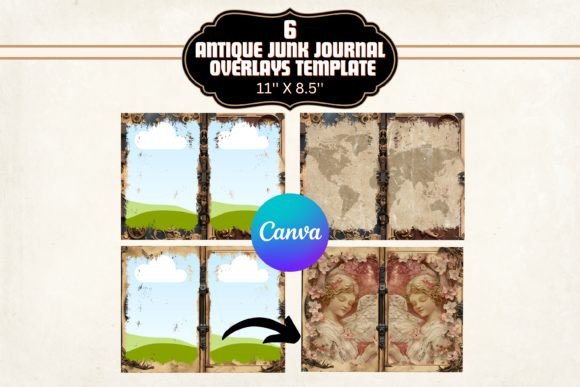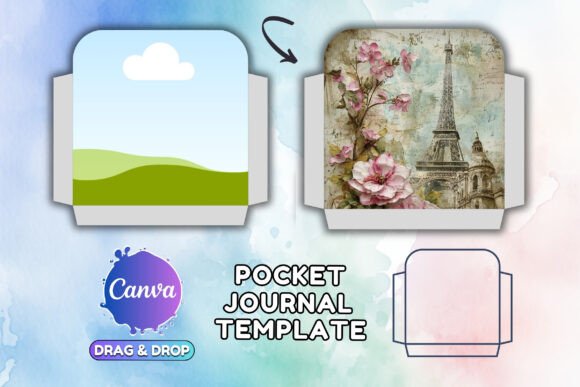
Unleash Your Creativity with the Canva POCKET Junk Journal Folio Template
There’s a certain magic to a well-worn journal, isn't there? The texture of the paper, the slight imperfections, the feeling that it holds a thousand stories. For designers, crafters, and content creators, capturing that authentic, tactile feeling in a digital project can be a challenge. The Canva POCKET Junk Journal Folio Template is designed to bridge that gap, offering a beautifully crafted digital asset that feels both personal and professional. It’s more than just a template; it’s a starting point for projects that demand a touch of handmade charm and thoughtful design.
More Than a Template: A Canvas for Storytelling
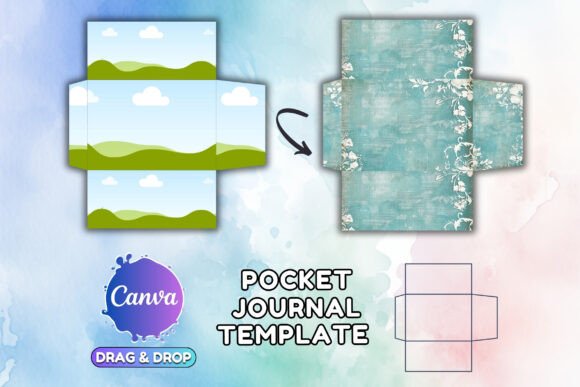
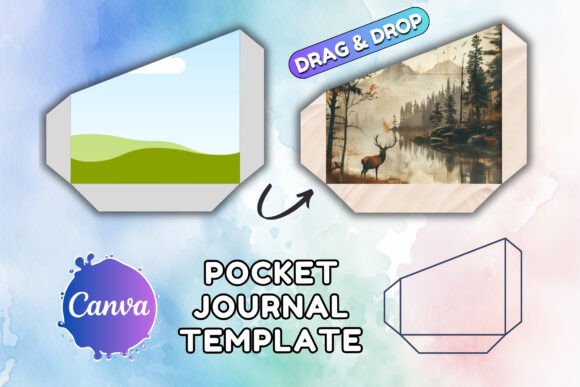
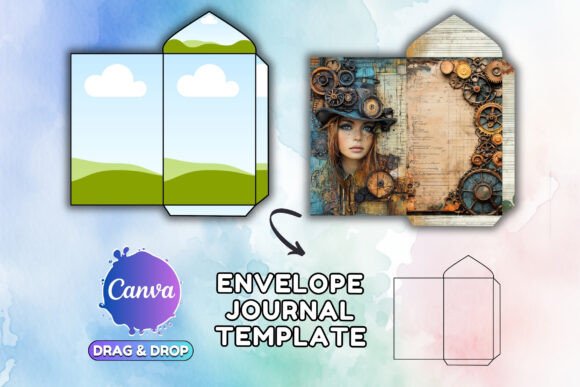
At its core, the Canva POCKET Junk Journal Folio Template provides the foundational structure of a classic folio, complete with editable pocket elements. Its visual personality leans into a rustic, artistic aesthetic. Think layered textures, subtle paper grain effects, and a layout that invites you to add your own artwork, photography, or typography. The style is intentionally imperfect, mimicking the look of a real junk journal assembled with care over time. This gives it an immediate sense of warmth and authenticity that polished, corporate templates often lack. The overall appeal lies in its versatility—it’s a creative font in its own right, but for layout and composition, setting a mood that is nostalgic, artistic, and deeply personal.
What you receive is a straightforward PDF containing access links to the template within Canva. The process is designed for immediate productivity. Once you click the link, you’re taken directly into the Canva editor where you can begin customizing. The package includes two versions—A4 and US Letter size—ensuring your project is print-ready or perfectly formatted for digital distribution right from the start. You’ll need a free Canva account, which most creatives already have, making the barrier to entry virtually nonexistent. The real value here is the design asset itself: a pre-constructed, thoughtfully designed framework that saves you hours of layout work.
Where This Folio Template Truly Shines
So, where does a template like this fit best? Its strength is in projects where narrative and personality are paramount. For brand identity work, especially for small businesses, artisans, or boutique brands, this template can be the cornerstone of a visual system. Imagine a coffee roaster using it to create a seasonal menu insert, or a potter using it for a lookbook that feels like a page from their studio sketchbook. It instantly communicates a brand story of craftsmanship and attention to detail.
For editorial design, bloggers and publishers can use it to create stunning lead magnets, PDF guides, or digital magazines that stand out in a crowded inbox. The pocket element is perfect for including bonus content, discount codes, or interactive elements in a digital PDF. Content creators and marketers can leverage it for social media graphics—think Instagram carousel posts that tell a story step-by-step, or Pinterest pins with a rich, layered aesthetic that drives engagement. It’s also ideal for personal projects: creating a family recipe book, a travel journal, or a portfolio for a creative hobby. The template’s design encourages a hands-on approach to digital creation, making the end result feel genuinely crafted.
Practical Guidance for Using the Canva POCKET Junk Journal Folio Template
Getting the most out of this asset requires a thoughtful approach. First, consider your project’s goal. Is it a commercial piece for a client, or a personal passion project? The terms of use are clear: you can use it for both personal and commercial purposes, but you cannot resell the template file itself. This makes it a valuable commercial font and layout tool for your work, provided you incorporate it into a larger, original design.
When you open the template in Canva, start by evaluating the existing structure. The layouts are designed with a visual hierarchy in mind. Use the provided frames to add your own images and artwork. This is where you integrate your logo design or brand elements. Experiment with typography within the template. The rustic aesthetic pairs well with a mix of a clean sans serif font for body text and a handwritten font or script font for headings and accents. This kind of font pairing enhances readability while maintaining the journal’s personality.
Test how your content flows within the pockets and on the folio pages. Does the text remain legible against the textured background? You might need to add a subtle, semi-transparent shape behind paragraphs to ensure readability. For web design assets or social media graphics, consider using only a single page or element from the folio, cropped creatively, to maintain impact at smaller sizes.
Finally, think about consistency. If you’re building a brand identity or a series of packaging design elements, use this template as a starting point. Create a color palette that complements the template’s tones and apply it across all your materials. This ensures your project feels cohesive and professional, leveraging the template’s strong visual hierarchy and modern typography foundations without being bound by its default settings. The goal is to use this premium font and layout system as a springboard, not a cage, allowing your unique creative voice to take the lead. The result is a project that feels both authentically handmade and strategically designed.
Canva POCKET Junk Journal Folio: Your Digital Craft Starter
That feeling of holding a handmade journal, its pages filled with textures and ephemera, is something special. Translating that tactile, personal quality into digital projects often feels out of reach. The Canva POCKET Junk Journal Folio Template changes that. It’s a thoughtfully designed digital asset that provides the framework for projects needing an authentic, artistic touch. Think of it as a pre-built canvas for your stories, brand narratives, and creative ideas, ready for your personal stamp.
Understanding the Template's Visual Soul
This isn't a sterile, corporate layout. Its personality is rooted in a rustic, mixed-media aesthetic. The visual style mimics layered paper, subtle textures, and the charming imperfections of a real junk journal. You'll find editable frames and pocket elements that invite you to insert your own artwork, photography, or typography. The overall appeal lies in its warmth and authenticity—it feels curated and personal, not mass-produced. This makes it a powerful creative font for layout, setting a mood that is nostalgic, artistic, and deeply human. It’s a design asset that does the heavy lifting of creating atmosphere.
The process is built for immediate action. You receive a PDF with links to open the template directly in Canva. No complex downloads or software needed—just a free Canva account. The package includes both A4 and US Letter sizes, covering most print and digital needs from the start. This accessibility means you can go from inspiration to a working draft in minutes, focusing your energy on the creative part, not the technical setup.
Where This Folio Template Finds Its Purpose
The strength of the Canva POCKET Junk Journal Folio Template is in projects where narrative and personality drive the design. It’s a natural fit for brand identity work, especially for small businesses, artisans, and makers. Imagine a ceramicist using it to create a beautiful product catalog, or a boutique bakery designing a seasonal menu that feels like a cherished family recipe card. The template instantly communicates a story of craftsmanship and care.
For editorial design, it’s a game-changer. Bloggers and publishers can craft stunning lead magnets, PDF guides, or digital magazines that stand apart. The pocket elements are perfect for embedding bonus content or interactive links. Content creators and marketers can leverage its layered look for compelling social media graphics—think Instagram carousels that unfold a story or Pinterest pins with rich, visual depth. It also excels in personal realms: designing a family history booklet, a travel memoir, or a portfolio for a hobby. It encourages a hands-on approach to digital creation.
Practical Application: Making the Template Work for You
Getting the best results requires a strategic eye. First, clarify your project's intent. The terms are flexible for both personal and commercial use, but you cannot resell the template itself. This makes it a legitimate commercial font and layout tool for client work or products, as long as you integrate it into a larger, original design.
Upon opening the template in Canva, study its inherent visual hierarchy. The layouts are already structured to guide the eye. Use the provided frames to drop in your images. This is where you integrate your logo design or brand assets. Typography is key to personalization. The rustic base pairs beautifully with a clean sans serif font for body text and a handwritten font or script font for headings. This font pairing strategy maintains readability while enhancing the journal's character.
Test your content’s flow. Does your text remain legible over the textured backgrounds? You might need to add a subtle, semi-transparent shape behind text blocks. For web design elements or social media graphics, consider using a single page or a cropped detail for maximum impact at smaller scales.
Consistency is your friend. If you’re building a brand suite or a series of packaging design elements, use this template as a starting point. Develop a color palette that complements its tones and apply it across all materials. This creates cohesion and professionalism, leveraging the template's strong modern typography foundations. The goal is to use this premium font