Pocket Template Junk Journal Folio Canva: A Designer's Guide
Understanding the Allure of This Digital Template
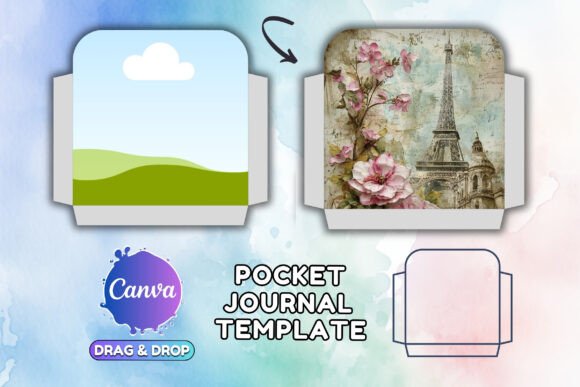
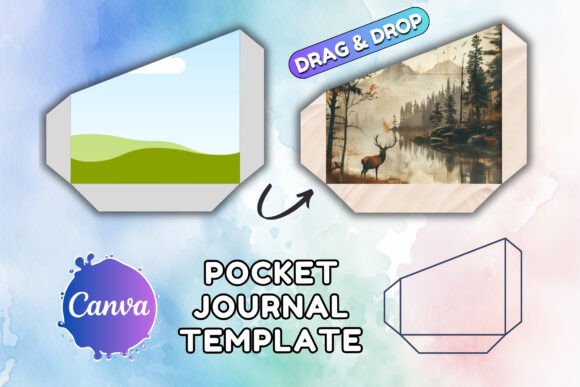
When you first open the Pocket Template Junk Journal Folio Canva, you immediately sense its character. This isn't a sterile, corporate design asset; it's a curated experience. The visual personality is one of tactile, vintage charm, evoking the feel of a well-loved book, a traveler's notebook, or a scrapbooker's prized collection. Its style is layered, textured, and intentionally imperfect, offering a stark contrast to the clean, minimalist templates that dominate much of modern digital design. The overall appeal lies in its ability to inject warmth, authenticity, and a handcrafted narrative into any project. It’s a creative font for the soul, designed for projects that need to tell a story rather than just convey information.
The Practical Magic of Instant Access
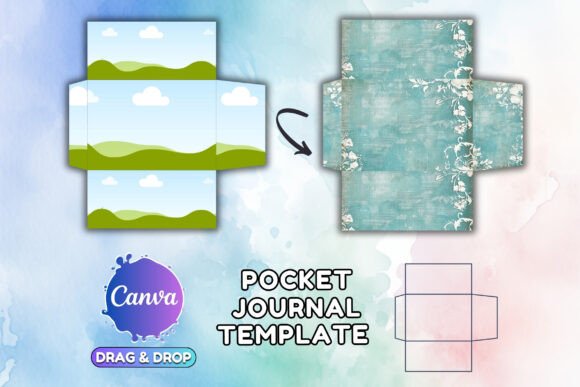
The real-world value of this template starts with its delivery. Receiving instant access via a PDF with direct Canva links removes the friction of traditional software installation. You click, you're in. This practical approach is a game-changer for entrepreneurs, bloggers, and content creators who need to move quickly from idea to execution. The inclusion of both A4 and US Letter sizes in the 1x Canva Journal Pocket Template demonstrates an understanding of global and practical needs, ensuring your design assets are ready for print or digital use without tedious resizing. The requirement for only a free Canva account further lowers the barrier to entry, making professional-looking design accessible to everyone.
Where This Template Shines: From Personal Projects to Commercial Ventures
The applications for the Pocket Template Junk Journal Folio Canva are vast, bridging the gap between personal expression and commercial branding. Its inherent style makes it a natural fit for projects where brand perception leans toward the artisanal, the nostalgic, or the bespoke. Consider using it for:
- Brand Identity & Packaging: For small businesses selling handmade goods, artisanal products, or vintage items, this template can form the backbone of your packaging design, hang tags, and thank-you cards. It builds immediate recognition and communicates a brand story of care and craftsmanship.
- Editorial & Publishing: Bloggers, self-publishers, and content creators can use the folio layouts for digital zines, lead magnets, mini-magazines, or interactive planners. The design enhances visual hierarchy, guiding the reader's eye through content in an engaging, tactile way that a standard PDF cannot match.
- Social Media Graphics: In a sea of polished, algorithm-friendly posts, the textured, authentic look of this template can increase audience engagement. It's perfect for behind-the-scenes stories, product launches with a narrative, or quotes that need a more personal, handwritten font feel without the legibility issues of actual script fonts.
- Personal Creative Projects: For hobbyists and crafters, it’s a digital scrapbook, a family recipe booklet, or a travel journal waiting to be filled. The ability to add your own designs, logos, or artwork to the editable frames using Canva’s image editing software means the final product is uniquely yours.
Influencing Perception and Professionalism
A design template is more than just a pretty layout; it's a tool for communication. The Pocket Template Junk Journal Folio Canva directly influences how your audience perceives your message. Its layered, collage-like aesthetic can make content feel more accessible and human, reducing the perceived distance between creator and audience. This can significantly boost engagement, as viewers are drawn into a more personal visual conversation. For commercial use, it injects a level of professionalism that comes from thoughtful, thematic design rather than just technical polish. It shows you’ve considered the entire brand experience, from the logo to the social media graphics to the final customer touchpoint.
Making the Most of Your Template: Practical Guidance
Simply purchasing a premium font or design asset is only the first step. To leverage the Pocket Template Junk Journal Folio Canva effectively, consider these practical observations:
- Evaluate Project Fit First: Before diving in, ask if the template’s personality aligns with your project’s goals. Its strength is in narrative and texture. It may not be the best choice for a corporate financial report, but it’s perfect for a lifestyle brand’s media kit or a workshop’s workbook.
- Test Font Pairings Intelligently: The template likely comes with suggested typefaces. However, experiment with font pairing. A clean sans serif font can provide excellent contrast for body text, balancing the template's ornate visual style and ensuring readability for longer passages. A complementary serif font can add a classic, editorial touch.
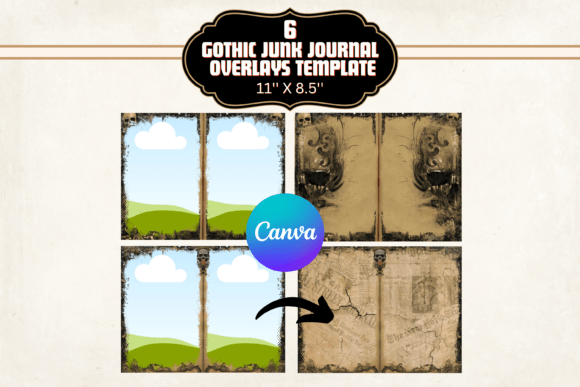
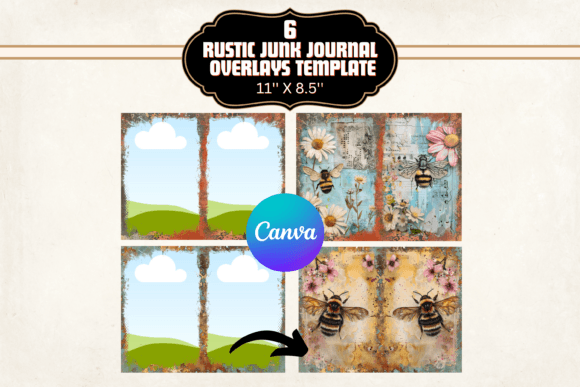
- Master the Editable Frames: The true power lies in customization. Use Canva’s tools to drop in your own photography, illustrations, or brand patterns. Treat the frames as windows into your unique story. This is where you move from using a template to creating a cohesive brand asset.
- Review the Included Styles: Even within a single template, look for variations in layout, color washes, or decorative elements. Using these consistently across a series of social media graphics or a multi-page document builds recognition and a professional, unified look.
- Respect the Terms of Use: The license is clear and generous for personal and commercial project creation. However, respecting the boundary that prohibits reselling the template files themselves or incorporating them into new templates for sale is crucial for ethical and legal use within the design community.
In essence, the Pocket Template Junk Journal Folio Canva is more than a set of pages; it's a foundational design asset for creating meaningful, engaging, and visually rich content. It empowers you to tell a better story, connect on a deeper level with your audience, and present your work with a distinct, handcrafted professionalism that stands out in the digital landscape. By understanding its strengths and applying it thoughtfully, you can transform ordinary projects into memorable experiences.