Design a Notebook Cover That Actually Inspires You
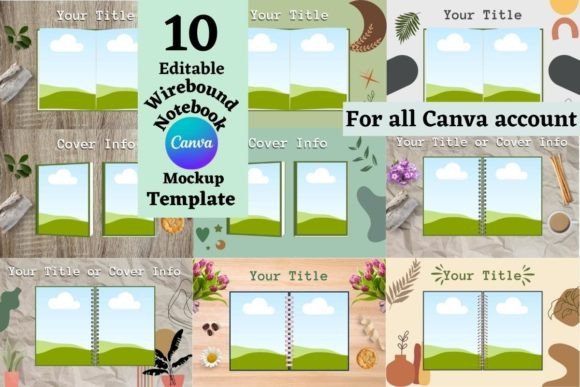
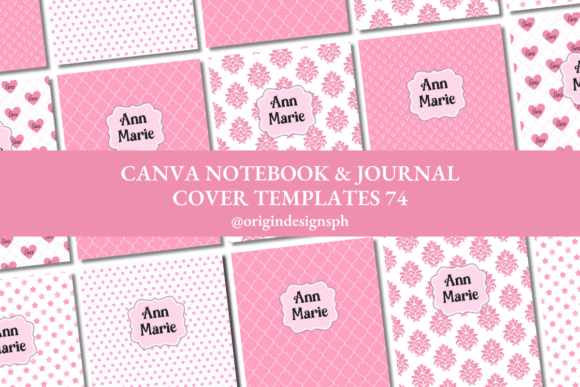
Let’s be honest, staring at a blank notebook cover can be paralyzing. You bought it with the best intentions—to jot down brilliant ideas, organize your life, or finally start that journaling habit. But now it just sits there, a stark white canvas of potential that feels more like a chore than an opportunity. That moment of hesitation is real, and it’s exactly why a thoughtfully designed Canva Template Notebook Journal Cover can be a game-changer. It’s not about slapping a pretty picture on the front; it’s about creating a visual trigger that invites you in, reflects your personality, and sets the tone for everything you write inside.
Beyond Aesthetics: The Psychology of a Great Cover
A notebook cover is the first interaction you have with your ideas. A generic, uninspired design can subconsciously signal that the contents are mundane. In contrast, a cover with intentional visual personality—whether it’s bold and modern, softly minimalist, or playfully illustrative—acts as a small but powerful piece of brand identity for your personal or professional life. It influences how you perceive the notebook’s value and your own creative process. For entrepreneurs and content creators, this extends to commercial projects. A cohesive set of journals for a workshop or client gifts, designed with a consistent font pairing and color scheme, elevates perceived professionalism and care.
The right template provides a structured starting point that eliminates the blank-page freeze. It offers a curated visual hierarchy where typography and imagery work together. You’re not just choosing a display font for the title; you’re engaging with a complete design system. This system considers the balance between a potential serif font for elegance and a clean sans serif font for clarity, or perhaps a handwritten font that adds a personal, approachable touch. The goal is a design that feels both unique to you and professionally composed.
Practical Applications: From Personal Projects to Print Business
The versatility of a customizable Canva template is its greatest strength. For personal use, it’s a straightforward way to create a cover that truly feels like yours. You can adapt the creative font styles, swap in colors that match your planner system, or add a personal monogram. But the real power often lies in its commercial application. If you run an Etsy shop selling planners, offer custom journals as part of a branding package, or create merchandise for your audience, these templates are foundational design assets.
Imagine you’re a coach launching a new program. Instead of a plain notebook, you provide clients with a journal that has a cover designed with your brand’s modern typography and color palette. This simple detail enhances the client experience and reinforces your brand identity with every use. For print-on-demand businesses, the ability to quickly edit text and elements means you can create seasonal collections, niche-specific designs (like “Garden Journal” or “Project Planner”), and test market trends without hiring a designer for every variation. The template acts as a reliable, professional base that ensures consistency across your product line.
Making the Template Your Own: A Strategic Approach
When you open a template in Canva, the first step is to assess its inherent style. Does the typeface selection lean more editorial, or is it suited for packaging design? Look at the included styles—does it offer alternatives for a script font or different font weights? This flexibility is crucial for adapting the design to different audiences. A premium font feel can often be achieved by pairing a elegant serif for the main title with a geometric sans serif for subtitles.
Readability is non-negotiable. Even the most beautiful display font must be legible at the size it will be printed or viewed. Test your customized text by zooming out in Canva to see it at a thumbnail size, simulating how it might appear in an online store listing. For digital use, like a social media graphic promoting your journal, ensure the text stands out against the background. Consider the overall composition: where will a logo or a subtle illustrative element sit without cluttering the design?
Finally, think about the end product. If you’re printing, understand that colors can shift from screen to paper. Many templates designed for print include notes on bleed areas and safe zones. For those using these for client work or commercial sales, verifying the licensing of any included design elements is a professional must. A well-chosen Canva Template Notebook Journal Cover does more than decorate a product; it creates an experience, communicates a brand, and ultimately, makes that first blank page a lot less intimidating.