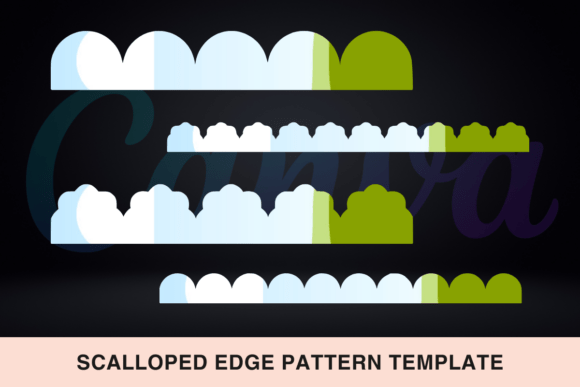
Scalloped Edge Pattern Template: Elegant Design Frames
There's a certain charm that comes with a softly curved edge. It’s less rigid than a straight line, more inviting than a sharp corner, and it immediately adds a layer of tactile, handmade quality to any design. This is the core appeal of a Scalloped Edge Pattern Template. It’s a design asset built on that simple, elegant curve, offering a collection of decorative borders that can transform a flat digital canvas into something with texture, personality, and a hint of vintage craft. At its heart, this template is a digital item—a set of editable frames and patterns you access instantly, with no physical product shipped to your home. Think of it as a toolkit for adding that perfect, polished frame to your visuals.
Understanding the Scalloped Aesthetic
A scalloped edge is more than just a wavy line. It’s a series of overlapping, rounded arcs that create a continuous, rhythmic border. This pattern has a distinct personality: it feels handcrafted, romantic, nostalgic, and playful. Depending on the scale and color, it can evoke different eras and styles. Large, bold scallops feel modern and graphic, while a delicate, fine scallop brings to mind vintage stationery, doilies, or the edge of a classic pie crust. This versatility is its strength. Unlike a standard solid or dotted border, a scalloped frame immediately tells a story. It suggests care, attention to detail, and a specific aesthetic direction. For a brand identity, choosing a scalloped element is a deliberate move away from the cold, corporate feel of a simple rectangle. It injects warmth and approachability.
Where Scalloped Edges Shine: Practical Applications
The real value of a Scalloped Edge Pattern Template lies in its adaptability across a spectrum of projects. As a Canva frames template, it’s designed for drag-and-drop simplicity, making it accessible to everyone from seasoned designers to small business owners and bloggers creating their own social media graphics. Let’s break down where this design asset truly excels.
For Branding and Marketing
In a crowded digital space, consistency and distinctiveness are key. A scalloped border can become a recognizable part of your visual language. Imagine using a consistent scalloped frame for all your Instagram story templates, your product highlight covers, or the borders around customer testimonials on your website. This repetition builds visual hierarchy and brand recognition. For packaging design, especially for artisanal goods, bakeries, or boutique products, a scalloped edge on labels, hang tags, or box inserts reinforces a handmade, premium quality. It’s a subtle cue that says, “We care about the details.” In editorial design, like a blog or a digital magazine, scalloped frames can elegantly section off pull quotes, highlight featured images, or add decorative flair to chapter headings.
For Content Creators and Social Media
Content creators and marketers need to produce high volumes of engaging visuals quickly. A Scalloped Edge Pattern Template is a perfect solution. It allows you to create standout visuals in minutes. Use it to frame a photo for a Pinterest pin, create a cohesive border for a series of TikTok videos, or design an eye-catching promotional graphic for a sale. The template’s high-resolution and scalable nature ensure your designs look crisp whether viewed on a phone or a large monitor. Because it’s fully editable in Canva, you can easily change colors to match your brand palette, adjust the thickness of the frame, or combine it with other modern typography and elements. This flexibility is crucial for maintaining a fresh yet consistent feed.
For Personal and Craft Projects
Beyond commercial use, the scalloped pattern has a strong foothold in personal projects. For hobbyists and crafters, it’s ideal for designing digital invitations, printable wall art, scrapbooking layouts, or custom planner stickers. The template provides the professional-looking structure, while your personal photos and text make it uniquely yours. For publishers or writers creating e-book covers or chapter pages, a scalloped frame can add a touch of classic elegance that sets the tone for the content within. It bridges the gap between digital design and the tactile feel of print, making it a versatile tool for both realms.
Integrating Scalloped Edges into Your Design Workflow
Adopting a new design element requires a bit of strategy. Here’s how to thoughtfully incorporate a Scalloped Edge Pattern Template into your projects for maximum impact.
Evaluate Your Project’s Voice: First, consider if a scalloped edge aligns with your message. It’s a fantastic fit for brands that are approachable, creative, artisanal, or feminine. It might be less suitable for a tech startup or a financial institution aiming for a ultra-modern, minimalist, and sharp aesthetic. The key is alignment between the visual element and the brand’s core personality.
Master the Art of Font Pairing: A decorative frame like a scalloped edge pairs best with clean, readable typefaces. Avoid competing with another highly ornate script font or handwritten font inside the frame, as this can create visual chaos. Instead, let the frame be the decorative star. Pair it with a sturdy sans serif font for body text or a classic serif font for headlines. This contrast creates balance and ensures your message remains clear and legible. For example, a delicate scalloped border beautifully complements a simple, modern sans serif, creating a look that is both elegant and contemporary.
Consider Scale and Color: The impact of the pattern changes with its size. A large, bold scallop is more graphic and modern. A small, tight scallop is more traditional and delicate. Color is equally powerful. A white or cream scallop on a pastel background feels soft and vintage. A black scallop on a bright color feels bold and graphic. Don’t be afraid to experiment with color to match your brand identity or the specific mood of a campaign.
Check Licensing and Technical Specs: Since this is a digital item, always review the included license. A commercial font or asset license typically allows you to use the design in projects for clients, for sale (like on Etsy), and for your own business marketing, but restrictions may apply to reselling the template file itself. Ensure the template offers the styles you need—perhaps multiple scallop sizes or complementary pattern fills. The promise of being drag & drop ready and high-resolution is critical for a smooth workflow, especially when designing for both web design and potential print applications.
In the end, a Scalloped Edge Pattern Template is more than just a border. It’s a strategic design choice. It’s a way to add a layer of tactile warmth, guide the viewer’s eye, and build a cohesive visual story across every touchpoint. By understanding its personality and applying it thoughtfully, you can leverage this simple yet powerful pattern to create designs that feel both professional and personally crafted.